
““At Upper Nile University, we recognize that we are not only striving for academic excellence but also contributing to the fight against poverty and underdevelopment in our region. With the mighty River Nile and the abundant natural resources around us, we have the tools to transform our communities. By promoting practical solutions such as irrigation, innovation, and sustainable development, we can overcome poverty. True progress for Upper Nile and South Sudan will come when we channel our knowledge and skills into action rather than remaining idle.”.”
The CEO, Founder & Chairman of the Board
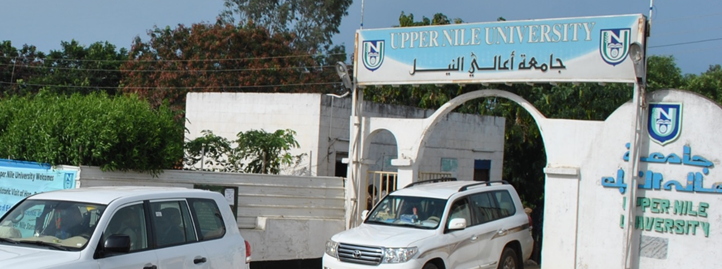
Upper Nile University was established in 1991 under the Higher Education Act of Sudan and later reaffirmed under the Higher Education Act of South Sudan following independence. Founded with a national mandate, the University was created to expand access to higher education and to serve as a center of learning, research, and intellectual leadership for the people of Upper Nile and the nation at large.
From its inception, Upper Nile University has been guided by a clear vision: to educate and empower future leaders, professionals, and scholars who can contribute meaningfully to peace, sustainable development, and national self-reliance. Despite years of conflict and institutional disruption, the University has remained resilient, upholding its academic mission while adapting to changing national circumstances.
Today, Upper Nile University continues to play a vital role in nation-building through the provision of undergraduate and postgraduate education, research, and community engagement, reaffirming its commitment to academic excellence, social responsibility, and the advancement of South Sudan.
To provide quality higher education, training, and research that respond to national priorities and local realities while meeting global academic standards, and to equip students with the knowledge, skills, ethical values, and leadership capacity necessary to contribute to innovation, peacebuilding, and sustainable development in South Sudan.
To be a nationally and regionally recognized public university distinguished by academic excellence, impactful research, community engagement, and a strong commitment to sustainable development and nation-building.
Upper Nile University offers a diverse range of accredited academic programs at diploma, undergraduate, and postgraduate levels across various disciplines. These programs include, but are not limited to, Business Administration, Accounting and Finance, Computer Science, Public Administration, Law, Education, and related fields, designed to meet national development needs and international academic standards.
The University supports flexible modes of study, including on-campus learning and approved distance-learning options. Through the use of blended teaching approaches such as face-to-face instruction, online learning platforms, recorded sessions, and live virtual lectures, Upper Nile University strives to expand access to higher education for students across South Sudan.
Upper Nile University’s academic staff consists of qualified and experienced professionals committed to excellence in teaching, research, and community service. Faculty members bring both academic rigor and practical experience to their disciplines, ensuring that students receive relevant, high-quality education aligned with real-world applications.
Accreditation and Quality Assurance
Upper Nile University is a fully recognized public institution under the authority of the Ministry of Higher Education, Science and Technology of the Republic of South Sudan. The University operates in accordance with national higher education laws and regulations governing public universities.
Upper Nile University is committed to maintaining high standards of academic quality, institutional accountability, and continuous improvement. In line with its strategic development plans, the University continues to strengthen its academic programs, governance structures, and quality assurance mechanisms, with provisions for the expansion of postgraduate studies, including master’s degree programs, in accordance with national accreditation requirements.
Campus and Facilities
Upper Nile University currently operates from its accommodating campus in Juba, South Sudan, following years of institutional disruption caused by conflict. The University is steadily undertaking efforts to rehabilitate, expand, and develop academic and support facilities in order to better serve its growing student population and to provide a conducive environment for teaching, learning, and research.
Student Life and Co-curricular Activities
Student life at Upper Nile University is inclusive and focused on holistic development. The University encourages active participation in co-curricular and extracurricular activities, including academic forums, debates, student associations, legal clinics, and moot court exercises, which complement classroom learning and promote leadership, professionalism, and civic responsibility.
Upper Nile University continues to support student engagement in national and regional academic competitions and forums, enabling students to develop practical skills, confidence, and a sense of social responsibility alongside their academic studies.
Academic Excellence – Committed to rigorous scholarship, high-quality teaching, and practical learning that prepare students to meet national and global challenges.
Integrity – Upholding honesty, fairness, transparency, and accountability in all academic, administrative, and community endeavors.
Service – Fostering a culture of responsibility, leadership, and active engagement with communities to contribute to nation-building and social development.
Innovation – Encouraging creativity, research, and forward-thinking solutions that address societal needs and promote sustainable development.